MSC Standalone Network
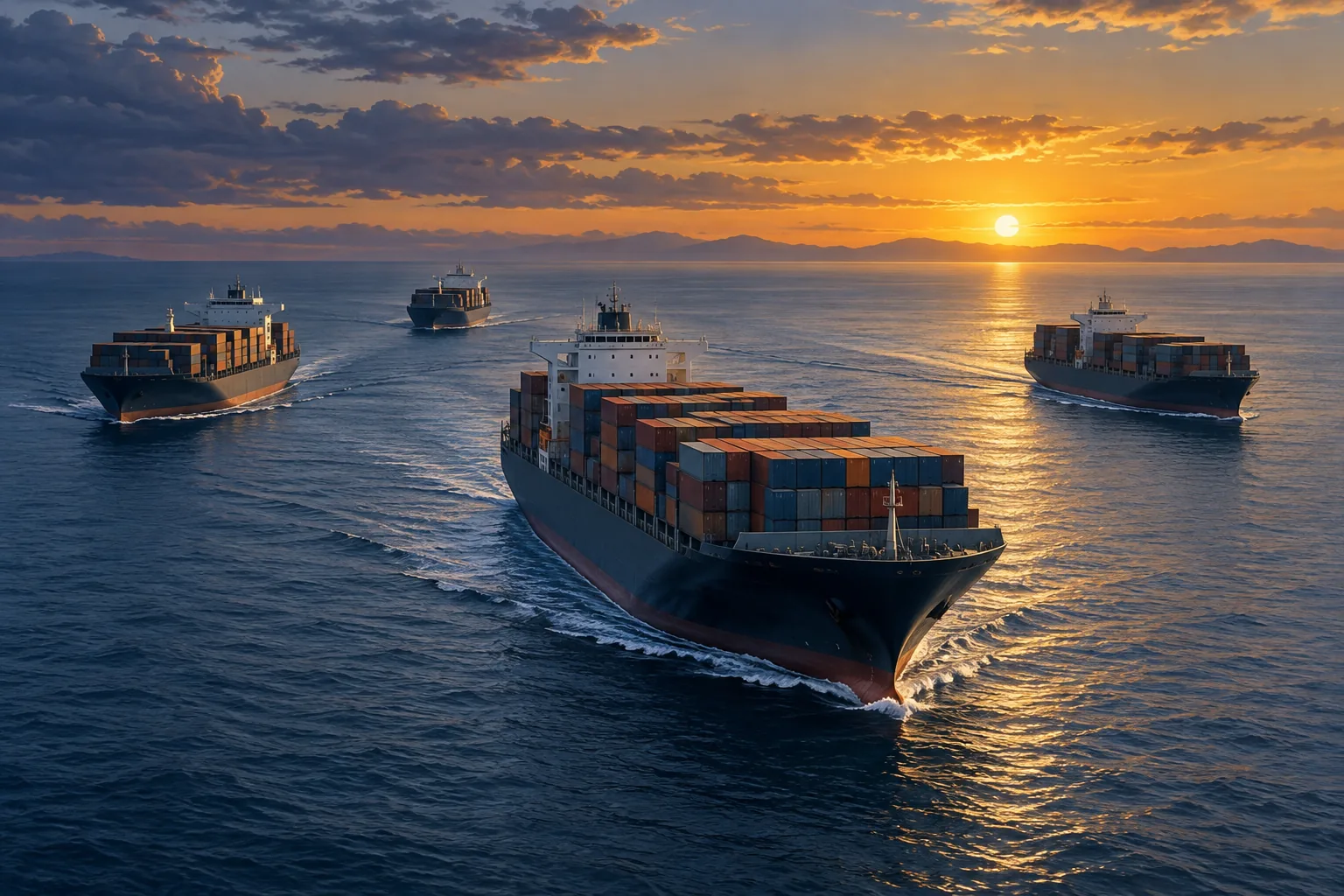
Following the dissolution of the 2M Alliance, MSC operates the world's largest container carrier network on a standalone basis, leveraging its 800+ vessel fleet to maintain global coverage without alliance partners. The alliance covers the following East-West container trades: Asia-Europe, Transpacific, Transatlantic, Africa, Latin America. Combined deployed capacity across the partnership stands at approximately 6,500,000 TEU as of the most recent published service network.
Vessel-sharing alliances such as MSC Standalone Network let member carriers pool capacity on long-haul trade lanes, run more frequent loops without each operator having to deploy a full string of mega-vessels, and offer customers wider port coverage and tighter schedules than any single carrier could deliver alone. Alliance partnerships do not extend to commercial sales — each member sells its own slots and contracts with shippers under its own house bill — but they do govern which physical ship carries each container on the water.
MSC Standalone Network members
- MSC — Geneva, Switzerland; SCAC MSCU; 875 vessels.
Trade-lane coverage
MSC Standalone Network operates jointly on the following deep-sea container trades. Each lane is served by a rotation of vessels contributed by member carriers, with one carrier acting as the lead operator on each loop.
- Asia-Europe — joint vessel rotation; weekly or fortnightly fixed-day sailings depending on the loop.
- Transpacific — joint vessel rotation; weekly or fortnightly fixed-day sailings depending on the loop.
- Transatlantic — joint vessel rotation; weekly or fortnightly fixed-day sailings depending on the loop.
- Africa — joint vessel rotation; weekly or fortnightly fixed-day sailings depending on the loop.
- Latin America — joint vessel rotation; weekly or fortnightly fixed-day sailings depending on the loop.